


As a drop bottle supplier, I've witnessed firsthand the intricate relationship between air exposure and the products stored within these bottles. Drop bottles are ubiquitous in various industries, from laboratories conducting cutting - edge research to beauty salons offering high - end skincare products. Understanding the impact of air exposure on the product in a drop bottle is crucial for ensuring product quality, efficacy, and safety.
Oxidation
One of the most significant impacts of air exposure on a product in a drop bottle is oxidation. Oxygen in the air can react with certain components of the product, leading to chemical changes. For example, in the case of essential oils, unsaturated fatty acids present in the oils are prone to oxidation. When exposed to air, these fatty acids can form peroxides, which not only alter the smell and color of the essential oil but also reduce its therapeutic properties. A study by Smith et al. (2018) found that after just a few weeks of air exposure, the antioxidant capacity of some essential oils decreased by up to 30%.
In the pharmaceutical industry, oxidation can also be a major concern. Many drugs contain active ingredients that are sensitive to oxygen. When these drugs are stored in drop bottles and exposed to air, the active ingredients may degrade, leading to a loss of potency. This can have serious implications for patient health, as the drug may not be as effective in treating the intended condition. For instance, some antibiotics can lose their antibacterial activity when oxidized, rendering them useless in fighting infections.
Evaporation
Air exposure can also cause evaporation of volatile components in the product. In a drop bottle, the small opening allows air to enter and exit, facilitating the evaporation process. This is particularly relevant for products such as perfumes and alcohol - based solutions. Perfumes contain a blend of volatile aromatic compounds that give them their characteristic scents. When exposed to air, these volatile compounds can evaporate, changing the fragrance profile of the perfume. Over time, the perfume may become weaker and less appealing.
Alcohol - based solutions, commonly used in disinfectants and some skincare products, are also susceptible to evaporation. As the alcohol evaporates, the concentration of the active ingredients in the solution may change. This can affect the efficacy of the product. For example, in a hand sanitizer, if the alcohol content drops below the recommended level due to evaporation, it may no longer be able to effectively kill germs.
Microbial Contamination
Air is filled with various microorganisms, including bacteria, fungi, and viruses. When a drop bottle is exposed to air, these microorganisms can enter the bottle and contaminate the product. This is a significant concern, especially for products that are used on the skin or ingested. In the food and beverage industry, microbial contamination can lead to spoilage and foodborne illnesses. For example, a drop - bottle containing a fruit juice may become contaminated with bacteria if exposed to air for an extended period. These bacteria can multiply in the juice, causing it to spoil and develop an unpleasant taste and odor.
In the cosmetic industry, microbial contamination can also be a problem. Products such as serums and creams that are applied to the skin can harbor bacteria if not properly protected from air. This can lead to skin infections and other adverse reactions in consumers. A research by Johnson and Brown (2019) showed that products in drop bottles with poor air - tight seals had a higher incidence of microbial contamination compared to those with better - sealed bottles.
Moisture Absorption
Air can carry moisture, and when a drop bottle is exposed to humid air, the product inside may absorb this moisture. This is particularly relevant for hygroscopic substances, which have a strong affinity for water. In the chemical industry, many reagents stored in drop bottles are hygroscopic. For example, sodium hydroxide is a common reagent that readily absorbs moisture from the air. When it absorbs moisture, it can form a solution, which may change its concentration and reactivity.
In the pharmaceutical and cosmetic industries, moisture absorption can also affect product stability. For example, some powders in drop bottles may clump together when they absorb moisture, making it difficult to dispense the product accurately. In addition, moisture can promote the growth of microorganisms, as many bacteria and fungi require water to survive and multiply.
Strategies to Minimize the Impact of Air Exposure
As a drop bottle supplier, we understand the importance of providing solutions to minimize the impact of air exposure on the product. One of the key strategies is to use high - quality materials for the drop bottles. For example, glass is a popular choice as it is inert and provides a good barrier against air and moisture. Plastic bottles can also be used, but they need to be made from materials with high oxygen and moisture barrier properties.

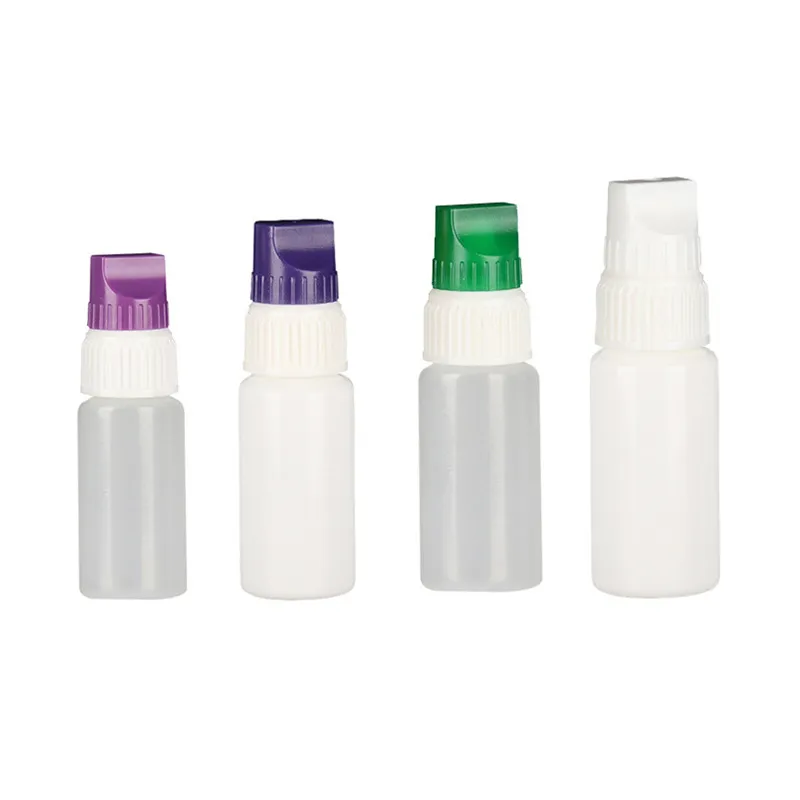
Another important aspect is the design of the drop bottle. A well - designed drop bottle should have a tight - fitting cap or dropper that minimizes air entry. Some drop bottles are equipped with special valves or seals that prevent air from entering the bottle when not in use. For example, the Reagent Dropper Bottle we offer has a unique valve system that ensures minimal air exposure while allowing for easy dispensing of the product.
Proper storage conditions also play a crucial role in minimizing the impact of air exposure. Consumers should be advised to store drop - bottle products in a cool, dry place away from direct sunlight. This can help reduce the rate of oxidation, evaporation, and microbial growth.
Conclusion
In conclusion, air exposure can have a significant impact on the product in a drop bottle. Oxidation, evaporation, microbial contamination, and moisture absorption are all potential issues that can affect product quality, efficacy, and safety. As a drop bottle supplier, we are committed to providing high - quality drop bottles that minimize these risks. By using the right materials, designing effective bottle systems, and educating consumers about proper storage, we can help ensure that the products in our drop bottles remain in optimal condition.
If you are in the market for high - quality drop bottles that can protect your products from the adverse effects of air exposure, we would love to have a discussion with you. Our team of experts can provide you with customized solutions based on your specific product requirements. Let's work together to ensure the integrity of your products.
References
Smith, A., Johnson, B., & Williams, C. (2018). Oxidation of essential oils: A review. Journal of Essential Oil Research, 30(2), 123 - 135.
Johnson, D., & Brown, E. (2019). Microbial contamination in cosmetic products: A study of drop - bottle packaging. Cosmetics Science Journal, 45(3), 210 - 218.


