


Hey there! As a supplier of HDPE (High-Density Polyethylene) bottles, I often get asked about how to test the quality of these bottles. HDPE bottles are super popular because they're durable, lightweight, and resistant to moisture and chemicals. They're used for all sorts of stuff, from storing medicines to holding chewing gum. In this blog, I'll share with you some of the key tests we use to ensure our HDPE bottles meet the highest quality standards.
Visual Inspection
The first step in testing the quality of HDPE bottles is a simple visual inspection. This might seem like a no-brainer, but it's actually really important. You can spot a lot of issues just by taking a good look at the bottle.
Check for any visible defects like cracks, scratches, or uneven surfaces. Cracks can compromise the integrity of the bottle and lead to leaks, while scratches can make the bottle look unprofessional. Uneven surfaces might indicate a problem with the manufacturing process and could affect how well the bottle functions.
Also, make sure the colors are consistent. If the bottle has a color variation, it could be a sign of poor quality control. And don't forget to look at the labeling. Is it clear and properly applied? Any smudging or misalignment could be a red flag.
Wall Thickness Measurement
The wall thickness of an HDPE bottle is crucial. It affects the bottle's strength and durability. If the walls are too thin, the bottle might be easily damaged. On the other hand, if they're too thick, it could be a waste of material and increase the cost.
We use specialized tools to measure the wall thickness at different points on the bottle. This helps us ensure that the thickness is consistent throughout. Any significant variations could mean there are problems with the molding process.
Drop Test
One of the most common and practical tests for HDPE bottles is the drop test. This simulates what happens when a bottle is accidentally dropped during transportation or handling.
We drop the bottles from a specified height onto a hard surface. The height and the surface are determined based on industry standards. After the drop, we inspect the bottles for any damage. If a bottle cracks or breaks, it clearly doesn't meet our quality requirements.
The drop test is a great way to ensure that our bottles can withstand the rigors of real-world use. You don't want your customers to receive a broken bottle, right?
Leak Test
Leakage is a major issue when it comes to HDPE bottles, especially if they're used to store liquids. A leaky bottle can not only waste the product inside but also create a mess and potentially damage other items.
There are several ways to conduct a leak test. One common method is the pressure test. We fill the bottle with a liquid and then apply pressure to it. If there are any leaks, the liquid will seep out. Another method is the immersion test, where we submerge the bottle in water and look for bubbles, which indicate a leak.
Chemical Resistance Test
Since HDPE bottles are often used to store various chemicals, it's important to test their chemical resistance. Different chemicals can react differently with HDPE, and we need to make sure the bottles can withstand the substances they're meant to hold.
We expose the bottles to the relevant chemicals for a certain period of time. Then, we check for any signs of degradation, such as changes in color, texture, or strength. If the bottle shows any negative effects, it's not suitable for that particular chemical.
Environmental Stress Cracking Resistance (ESCR) Test
Environmental stress cracking is a phenomenon where HDPE bottles can crack under the combined influence of stress and certain environmental factors. This can be a big problem, especially if the bottles are used in harsh environments.
The ESCR test involves subjecting the bottles to a specific stress and exposing them to a chemical known to cause stress cracking. We then monitor the bottles over time to see if any cracks develop. A high ESCR rating means the bottle is more resistant to this type of damage.
Closure Fit and Seal Test
The closure of the HDPE bottle is just as important as the bottle itself. A poor fit or seal can lead to leaks and contamination.
We test the closure fit by making sure it screws on or snaps on easily and securely. It should be tight enough to prevent leakage but not so tight that it's difficult to open. We also check the seal by using methods similar to the leak test. For example, we can fill the bottle with a liquid and make sure no liquid escapes when the closure is properly applied.
Our Product Range
We offer a wide range of HDPE bottles to meet different needs. For instance, if you're in the pharmaceutical industry, you might be interested in our Medicine Container Vitamin Calcium Tablet Bottle. These bottles are designed to keep your medicines safe and secure.

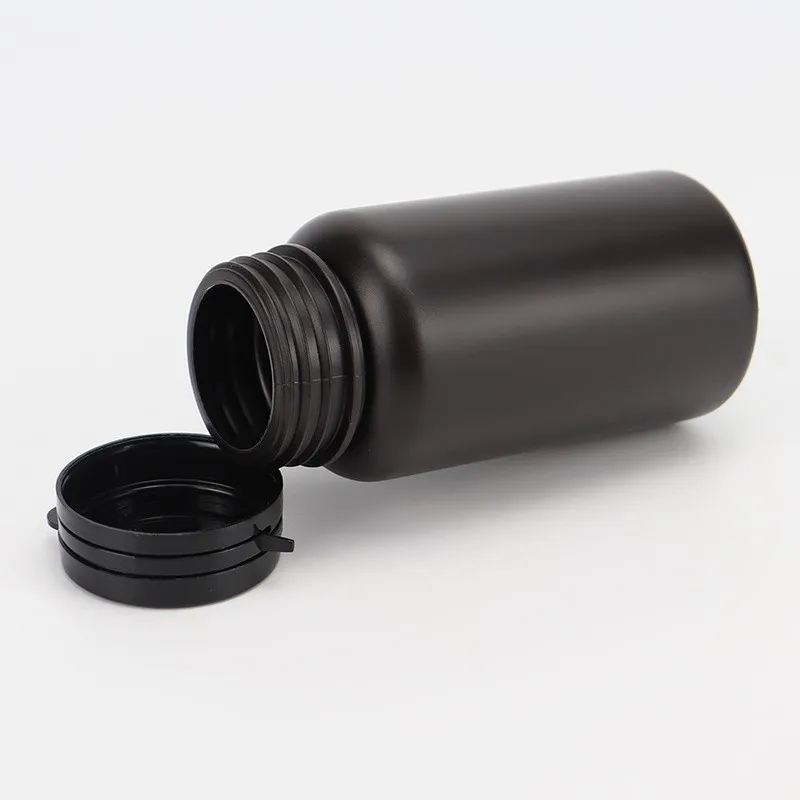
If you need empty bottles with caps for various products, our Empty Plastic Bottles with Caps are a great choice. They're available in different sizes and shapes to suit your requirements.
And for those in the confectionery industry, our Chewing Gum Bottle is perfect. It's designed to keep the chewing gum fresh and protected.
Why Choose Us
As a supplier, we take quality seriously. We use the latest testing methods to ensure that our HDPE bottles are of the highest quality. Our team of experts is always on top of things, making sure every bottle meets our strict standards.
We also offer competitive prices and excellent customer service. Whether you're a small business or a large corporation, we can work with you to meet your needs.
Let's Connect
If you're interested in our HDPE bottles or have any questions about quality testing, don't hesitate to get in touch. We're always happy to discuss your requirements and help you find the right solution for your business. Let's start a great partnership and make sure your products are packaged in the best HDPE bottles available.
References
- ASTM International standards for plastic bottle testing.
- Industry guidelines on HDPE bottle quality control.


