


Hey there! As a supplier of reagent bottles, I often get asked about the maximum pressure these bottles can withstand. It's a crucial question, especially for those in the scientific and laboratory fields. In this blog, I'll dive deep into this topic, sharing some insights based on my experience in the industry.
First off, let's understand why knowing the maximum pressure a reagent bottle can handle is so important. In a laboratory setting, reagents can be stored under various conditions. Sometimes, chemical reactions might generate pressure inside the bottle. If the bottle can't handle that pressure, it could lead to leaks, breakages, or even more serious safety hazards. So, having a clear idea of the pressure limits is essential for ensuring the safety of the lab environment and the people working in it.
The maximum pressure a reagent bottle can withstand depends on several factors. One of the most significant factors is the material of the bottle. We commonly use materials like glass and plastic for reagent bottles, and each has its own characteristics when it comes to pressure resistance.
Glass reagent bottles are known for their high chemical resistance and transparency. They can generally withstand relatively high pressures, especially borosilicate glass bottles. Borosilicate glass has a low coefficient of thermal expansion, which means it can handle sudden temperature changes without cracking easily. This property also contributes to its ability to withstand pressure. However, glass is brittle, and if it's subjected to excessive pressure or impact, it can shatter. The thickness of the glass also plays a role. Thicker glass bottles can usually handle more pressure than thinner ones.
On the other hand, plastic reagent bottles are lightweight, shatterproof, and more flexible than glass. Common plastic materials used for reagent bottles include polyethylene (PE), polypropylene (PP), and polytetrafluoroethylene (PTFE). Each of these plastics has different pressure - resistant capabilities. For example, PTFE is highly resistant to chemicals and can withstand relatively high pressures due to its strong molecular structure. PE and PP are also widely used, but their pressure resistance is more limited compared to PTFE.
Another factor that affects the maximum pressure a reagent bottle can withstand is the design of the bottle. Bottles with a well - designed shape and a proper closure system are more likely to handle pressure effectively. For instance, bottles with a rounded shape distribute pressure more evenly compared to those with sharp corners. The closure, such as a screw cap or a stopper, needs to be tight - fitting to prevent pressure from escaping. A loose closure can lead to a loss of pressure - containment ability.
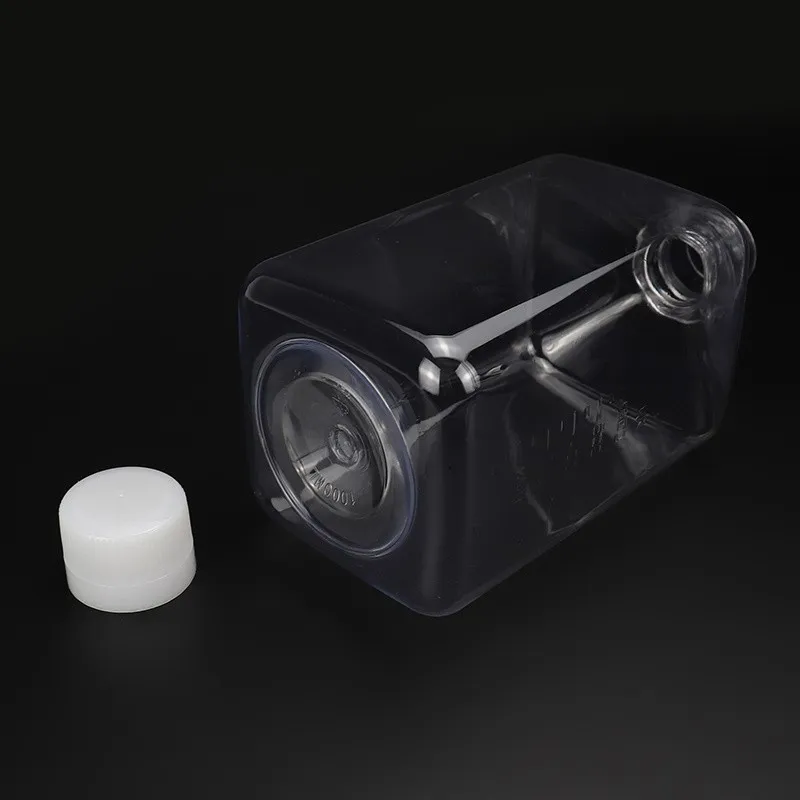
The size of the reagent bottle also matters. Generally, smaller bottles can withstand higher pressures per unit area compared to larger ones. This is because the stress is distributed over a smaller surface area in smaller bottles. For example, a 125ml reagent bottle might be able to handle a higher pressure than a 1000ml bottle of the same material and design. If you're interested in different sizes of reagent bottles, you can check out our 125ml 250ml 500ml 1000ml Reagent Bottle page.
Now, let's talk about how we test the maximum pressure a reagent bottle can withstand. At our company, we use a variety of testing methods. One common method is the hydrostatic pressure test. In this test, we fill the bottle with a liquid (usually water) and gradually increase the pressure until the bottle fails. We measure the pressure at which the bottle starts to leak or break. This gives us a clear indication of the maximum pressure the bottle can handle.
We also conduct stress - analysis simulations using computer - aided design (CAD) software. These simulations help us predict how the bottle will behave under different pressure conditions. By analyzing the stress distribution in the bottle, we can identify potential weak points and make improvements to the design.
It's important to note that the maximum pressure a reagent bottle can withstand is not a fixed value. It can vary depending on the specific application and the conditions in which the bottle is used. For example, if the bottle is exposed to high temperatures or corrosive chemicals, its pressure - resistant ability might be reduced.
In addition to the factors mentioned above, the quality of the manufacturing process also has a significant impact on the pressure - handling capacity of the reagent bottle. At our company, we follow strict quality control measures during the manufacturing process. We ensure that the materials are of high quality, and the production process is precise. This helps us produce reagent bottles that can reliably withstand the specified pressures.
So, if you're in the market for reagent bottles, it's crucial to consider the maximum pressure requirements of your application. Whether you need a small bottle for a high - pressure experiment or a large bottle for general storage, we've got you covered. Our team of experts can help you choose the right reagent bottle based on your specific needs.
We understand that safety is your top priority, and that's why we're committed to providing high - quality reagent bottles that meet the highest standards of pressure resistance. If you have any questions or need more information about our reagent bottles, feel free to reach out to us. We're always here to assist you in finding the perfect solution for your laboratory needs.
In conclusion, the maximum pressure a reagent bottle can withstand is influenced by multiple factors, including the material, design, size, and manufacturing quality. By understanding these factors, you can make an informed decision when purchasing reagent bottles. Don't hesitate to contact us if you want to discuss your requirements or start a procurement negotiation. We're looking forward to working with you to ensure the safety and efficiency of your laboratory operations.
References:

- Laboratory Equipment Handbook: A Guide to Selecting and Using Laboratory Equipment
- Plastics in Laboratory Applications: Properties and Performance
- Glass Technology: Principles and Applications


