


Hey there! As a supplier of Plastic Syrup Bottles, I often get asked about what these bottles are made of. So, I thought I'd take some time to break it down for you.
Common Materials for Plastic Syrup Bottles
There are a few types of plastics that are commonly used to make syrup bottles. Each has its own set of properties, advantages, and disadvantages.
Polyethylene Terephthalate (PET)
PET is one of the most popular materials for plastic syrup bottles. It's lightweight, strong, and has good clarity, which means you can easily see the syrup inside the bottle. This is great for consumers who want to check the color and level of the syrup.
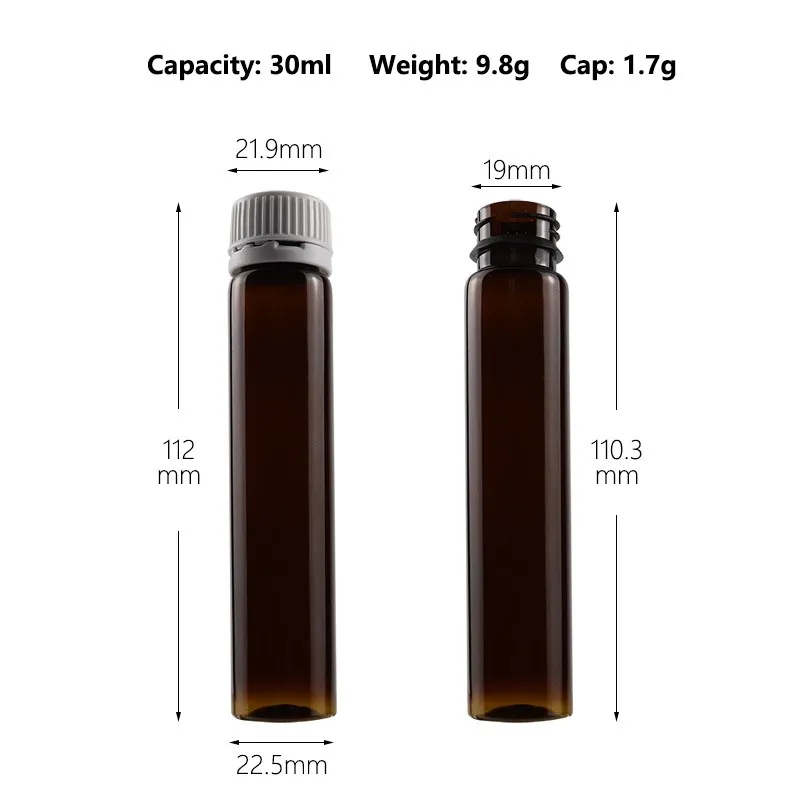

PET is also resistant to many chemicals, which is important because syrups can contain various ingredients that might react with other materials. It's recyclable too, which is a big plus in today's environmentally - conscious world. Most of the time, you'll find that PET bottles are used for things like cough syrups. You can check out our 16oz Cough Syrup Bottle made from PET. It's designed to keep the syrup fresh and safe.
However, PET does have some limitations. It can absorb small amounts of moisture over time, which might affect the quality of the syrup if it's stored for a very long time. And it's not as resistant to high temperatures as some other plastics, so it's not suitable for syrups that need to be stored in hot environments.
High - Density Polyethylene (HDPE)
HDPE is another widely used plastic for syrup bottles. It's very tough and durable, which makes it ideal for bottles that might get knocked around during shipping or handling. HDPE bottles are also resistant to moisture, so they're great for syrups that need to be kept dry.
One of the big advantages of HDPE is its chemical resistance. It can withstand a wide range of substances without degrading, which is important for syrups with different chemical compositions. Our Empty Cough Syrup Bottle options include some made from HDPE. They're sturdy and can protect the syrup inside well.
On the downside, HDPE is not as clear as PET. It has a more opaque appearance, which might not be as appealing for some products where the visual appeal of the syrup is important. Also, it's a bit more difficult to recycle compared to PET, but many recycling facilities still accept HDPE.
Polypropylene (PP)
PP is a plastic that offers a good balance between flexibility and strength. It can be molded into different shapes, which gives manufacturers more design options for syrup bottles. PP bottles are also heat - resistant, so they can be used for syrups that need to be stored at slightly higher temperatures.
PP has excellent chemical resistance and is less likely to react with the contents of the bottle. This makes it a good choice for syrups with complex formulations. It's also lightweight, which helps keep shipping costs down. You can find a variety of our Plastic Syrup Bottles made from PP.
But, like other plastics, PP has its drawbacks. It's not as transparent as PET, and it can become brittle over time if exposed to certain environmental conditions.
Factors Influencing Material Selection
When we're choosing the material for a plastic syrup bottle, there are several factors we take into account.
Syrup Composition
The type of syrup that will go into the bottle is a major factor. For example, if the syrup contains alcohol or other volatile substances, we need to choose a plastic that won't react with these chemicals. A syrup with a high sugar content might require a bottle that's resistant to moisture to prevent crystallization.
Shelf Life
The expected shelf life of the syrup also matters. If the syrup needs to be stored for a long time, we'll choose a plastic that can protect it from oxygen, light, and moisture. For short - shelf - life products, we might have more flexibility in our material choice.
Cost
Cost is always a consideration. Some plastics are more expensive than others, and we need to balance the quality of the material with the overall cost of production. We want to offer our customers affordable solutions without sacrificing the quality of the bottles.
Design Requirements
The design of the bottle can influence the material choice. If we need a bottle with a unique shape or a certain level of transparency, we'll select a plastic that can meet those requirements. For example, a bottle with a fancy curve might be easier to make with PP, while a clear bottle for a premium syrup might be made from PET.
Our Commitment as a Supplier
As a supplier of Plastic Syrup Bottles, we're committed to using the best materials for our products. We work closely with our customers to understand their specific needs and recommend the most suitable plastic for their syrup bottles.
We source our plastics from reliable suppliers and conduct strict quality control checks to ensure that our bottles meet the highest standards. Whether you need a small batch of Empty Cough Syrup Bottle for a new product launch or a large order of Plastic Syrup Bottles for an established brand, we've got you covered.
If you're in the market for plastic syrup bottles, we'd love to talk to you. We can provide samples for you to test and give you detailed information about our products. Contact us to start the conversation about your plastic syrup bottle needs!
References
- "Plastics in Packaging: A Guide", Packaging Manufacturers Institute
- "Properties and Applications of Different Plastics", Plastic Research Association


