


Hey there! As an eye drop bottle supplier, I've seen a ton of different types of eye drop bottles out there. In this blog, I'm gonna break down the various kinds, their features, and what makes each one unique.
Plastic Eye Drop Bottles
Plastic is by far the most common material for eye drop bottles, and for good reason. It's lightweight, inexpensive, and easy to manufacture. There are a few different types of plastic used in these bottles, each with its own characteristics.
LDPE Dropper Bottles
Low - density polyethylene (LDPE) is a popular choice for eye drop bottles. LDPE Dropper Bottles are known for their flexibility. You can easily squeeze the bottle to dispense the eye drops. They're also resistant to many chemicals, which is important since eye drops can contain a variety of active ingredients. LDPE bottles are great for single - use or short - term use eye drops because they're relatively inexpensive to produce. They're also recyclable, which is a plus for those who are environmentally conscious.
HDPE Eye Drop Bottles
High - density polyethylene (HDPE) is another plastic option. HDPE bottles are more rigid than LDPE ones. They offer better protection against impact and are less likely to get crushed during shipping or handling. This makes them a good choice for eye drops that need to be transported over long distances. HDPE is also resistant to moisture, so it can help keep the eye drops inside fresh for longer.
PET Eye Drop Bottles
Polyethylene terephthalate (PET) is a clear, strong plastic. PET eye drop bottles are often used when you want the user to be able to see the amount of eye drops left in the bottle. They're also lightweight and have good barrier properties against oxygen and moisture. This helps to preserve the quality of the eye drops. PET is widely recycled, which is a big selling point in today's eco - friendly market.
Glass Eye Drop Bottles
Glass eye drop bottles have their own set of advantages. They're chemically inert, which means they won't react with the eye drops inside. This is crucial for eye drops that contain sensitive or reactive ingredients. Glass also provides excellent protection against light, oxygen, and moisture. This helps to extend the shelf life of the eye drops.
However, glass bottles are heavier and more fragile than plastic ones. They're more expensive to produce and transport, and there's a higher risk of breakage. But for high - end or specialty eye drops, glass bottles can add a touch of luxury and prestige.
Single - Use Eye Drop Bottles
Single - use eye drop bottles are becoming increasingly popular. These are small, pre - filled bottles that are designed to be used once and then discarded. They're great for preventing contamination, as there's no risk of bacteria or other contaminants getting into the bottle after it's opened. Single - use bottles are often used in hospitals, clinics, or for travel.
The materials used for single - use bottles can vary. You can find them in both plastic and glass. Some single - use bottles are made from Empty Eye Dropper Bottle designs that are then filled with the appropriate eye drops.
Multi - Dose Eye Drop Bottles
Multi - dose eye drop bottles are the traditional type that most people are familiar with. They come with a dropper or a pump mechanism to dispense the eye drops. These bottles are designed to be used multiple times over a period of weeks or months.
To prevent contamination, many multi - dose bottles now come with special features. Some have a built - in preservative system, while others have a valve or a tip that helps to keep out bacteria. However, once the bottle is opened, the eye drops need to be used within a certain time frame to ensure their safety and effectiveness.
Bottles with Special Features
There are also eye drop bottles with some really cool special features. For example, some bottles have a controlled - release mechanism. This allows for a more precise and consistent amount of eye drops to be dispensed each time. This is especially useful for eye drops that need to be administered in a specific dosage.
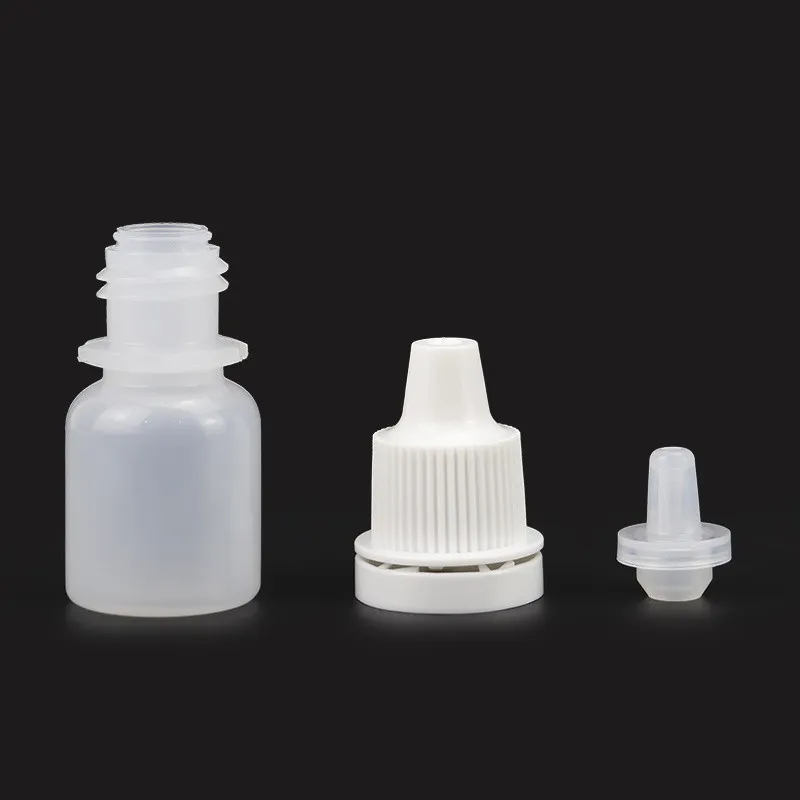
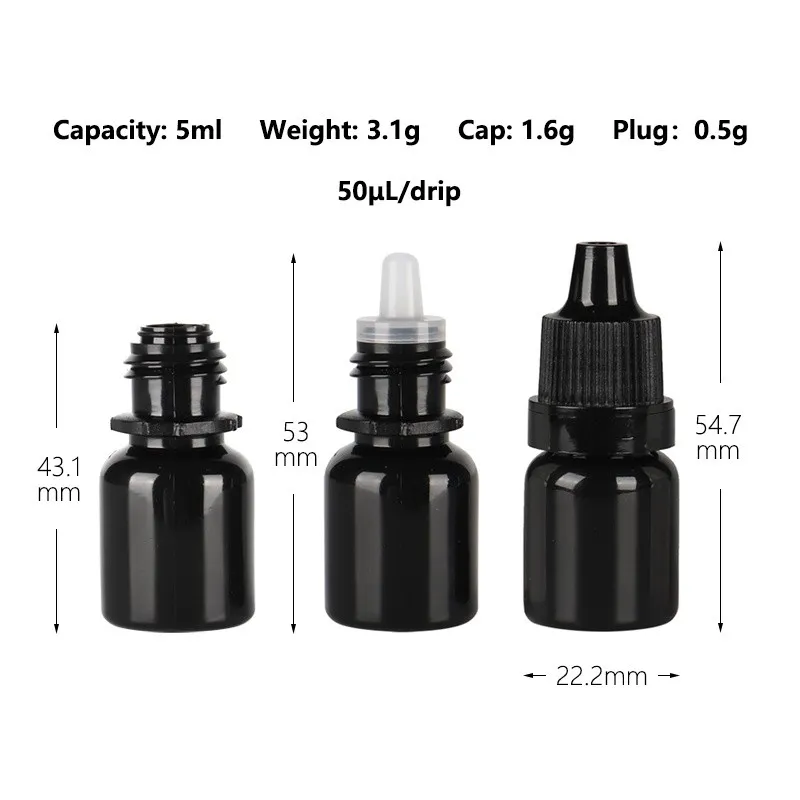
Other bottles have a child - resistant cap. This is important for keeping eye drops out of the reach of curious kids. The cap usually requires a special motion, like pushing down and turning, to open.
Choosing the Right Eye Drop Bottle
When it comes to choosing the right eye drop bottle, there are a few factors to consider. First, think about the type of eye drops. If they contain sensitive ingredients, a glass bottle or a plastic bottle with good barrier properties might be the way to go.
The intended use of the eye drops also matters. If they're for single - use, a single - dose bottle is a great option. For long - term use, a multi - dose bottle with a good contamination - prevention system is better.
Cost is another important factor. Plastic bottles are generally cheaper than glass ones, so if you're on a budget, plastic might be the better choice. But if you're aiming for a high - end product, glass can add value.
Why Choose Us as Your Supplier
As an eye drop bottle supplier, we offer a wide range of options to meet your needs. Whether you're looking for a simple plastic single - use bottle or a high - end glass bottle with special features, we've got you covered.
We have a team of experts who can help you choose the right bottle for your eye drops. We also ensure high - quality manufacturing processes to make sure that our bottles meet all the necessary safety and quality standards.
If you're interested in our eye drop bottles, we'd love to have a chat with you. We can discuss your specific requirements, provide samples, and give you a competitive quote. Just reach out to us, and let's start the conversation about finding the perfect eye drop bottles for your product.
References
- Pharmaceutical Packaging Handbook.
- Journal of Ophthalmic Pharmacy and Therapeutics.
- Packaging Technology and Science.


