


Hey there! As a drop bottle supplier, I've seen a lot of customers facing the issue of droppers drying out in drop bottles. It's a common problem that can lead to a whole bunch of headaches, like clogged droppers and inaccurate dosing. But don't worry, I've got some tips and tricks to help you prevent this from happening.
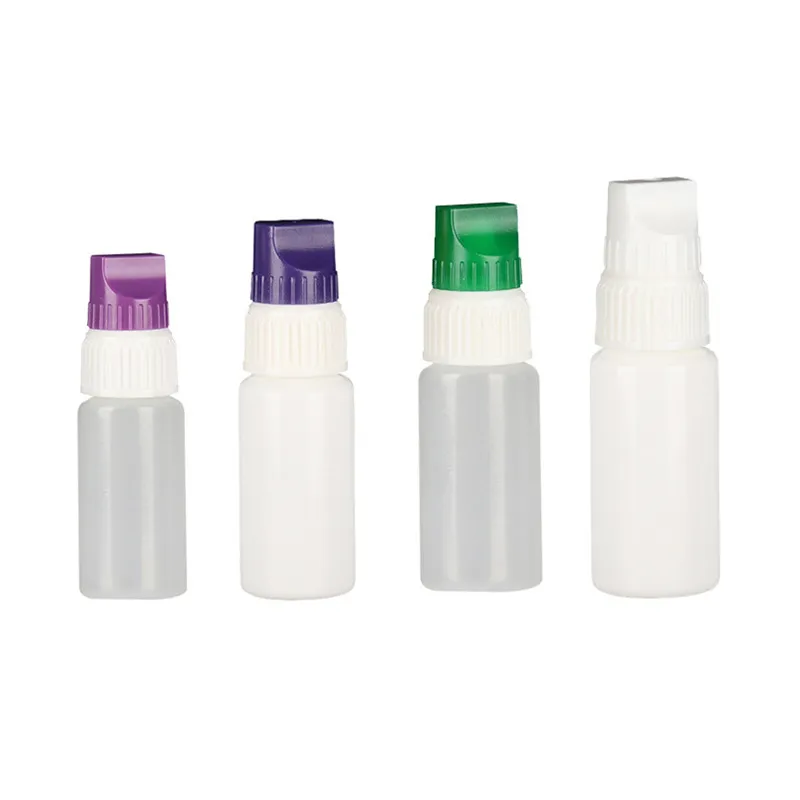

First off, let's understand why droppers dry out in the first place. The main culprit is evaporation. When the liquid inside the drop bottle evaporates, it leaves behind a residue that can clog the dropper. This is especially true for volatile liquids or those with a high alcohol content. Another factor is exposure to air. If the dropper is left open or the bottle isn't sealed properly, air can get in and cause the liquid to dry out faster.
So, how can you prevent the dropper from drying out? Here are some practical steps you can take:
1. Choose the Right Drop Bottle
The type of drop bottle you use can make a big difference. Look for bottles that are made of high - quality materials, like glass or thick - walled plastic. Glass bottles are great because they are non - porous and don't react with most chemicals. They also provide a better seal, which helps to keep the air out.
When it comes to droppers, opt for ones with a tight - fitting cap. Some droppers come with a rubber bulb that seals the opening when not in use. This can significantly reduce the amount of air that gets into the dropper. You can check out our Reagent Dropper Bottle for a great option that offers a good seal and quality construction.
2. Store the Drop Bottle Properly
Storage is key. Keep your drop bottles in a cool, dark place. Heat and light can accelerate the evaporation process, so avoid storing them near windows or in direct sunlight. A cabinet or a drawer is a perfect spot.
Also, make sure to store the bottle upright. This helps to keep the liquid in contact with the dropper tip, preventing it from drying out. If you have to store the bottle on its side, try to do it for a short period only.
3. Use the Right Liquid
The type of liquid you put in the drop bottle matters. Some liquids are more prone to evaporation than others. For example, water - based solutions with a low viscosity tend to evaporate faster. If you're using a volatile liquid, consider adding a small amount of a non - volatile solvent or a thickening agent. This can slow down the evaporation rate.
However, make sure that any additives you use are compatible with the liquid and the dropper material. You don't want to cause any chemical reactions that could damage the dropper or the bottle.
4. Clean the Dropper Regularly
Regular cleaning can prevent clogs and keep the dropper in good working condition. After each use, rinse the dropper with the same liquid that's in the bottle. This helps to remove any residue that might have built up.
If the dropper gets really dirty, you can soak it in a cleaning solution. For most droppers, a mild soap and water solution will do the trick. Just make sure to rinse it thoroughly and let it dry completely before using it again.
5. Seal the Bottle Properly
Always make sure the bottle is sealed tightly after each use. If the bottle has a screw - on cap, give it a couple of extra turns to ensure a proper seal. Some drop bottles come with a snap - on cap, which can also provide a good seal if it fits snugly.
If you notice that the seal on your bottle is loose or damaged, it might be time to replace the cap or the bottle itself. A poor seal can let in air and cause the dropper to dry out quickly.
6. Minimize Exposure to Air
When using the dropper, try to minimize the amount of time it's exposed to air. Don't leave the dropper out of the bottle for longer than necessary. Also, when you're drawing liquid into the dropper, try to do it quickly and smoothly. This reduces the time that the liquid is in contact with the air.
If possible, use the dropper in a low - humidity environment. High humidity can also affect the evaporation rate, so working in a dry area can help keep the dropper from drying out.
7. Consider Using a Desiccant
A desiccant is a substance that absorbs moisture. You can place a small desiccant packet inside the storage container with the drop bottle. Silica gel is a common desiccant that works well. It can help to keep the air inside the container dry, reducing the risk of evaporation.
Just make sure that the desiccant doesn't come into direct contact with the dropper or the liquid in the bottle. You don't want any of the desiccant material to contaminate the liquid.
By following these tips, you can significantly reduce the chances of your dropper drying out in a drop bottle. This will not only save you money by preventing the need to replace droppers or bottles, but it will also ensure that you get accurate and consistent dosing every time.
If you're in the market for high - quality drop bottles and droppers, we're here to help. We offer a wide range of products that are designed to meet your needs. Whether you're a laboratory, a beauty brand, or a hobbyist, we've got the right drop bottle for you. Contact us to start a conversation about your drop bottle requirements, and let's work together to find the perfect solution for you.
References
- Brown, A. (2018). Laboratory Equipment Handbook. Elsevier.
- Green, M. (2020). Chemical Storage and Handling Best Practices. Wiley.
- White, S. (2021). The Art of Dosing: Ensuring Accuracy in Liquid Dispensing. CRC Press.


