


Preventing the contamination of an eye drop bottle is crucial for maintaining the safety and efficacy of the eye drops. As a trusted eye drop bottle supplier, we understand the importance of providing high - quality containers that minimize the risk of contamination. In this blog, we will explore various strategies to prevent eye drop bottle contamination, covering aspects from bottle design to user practices.
Bottle Material and Design
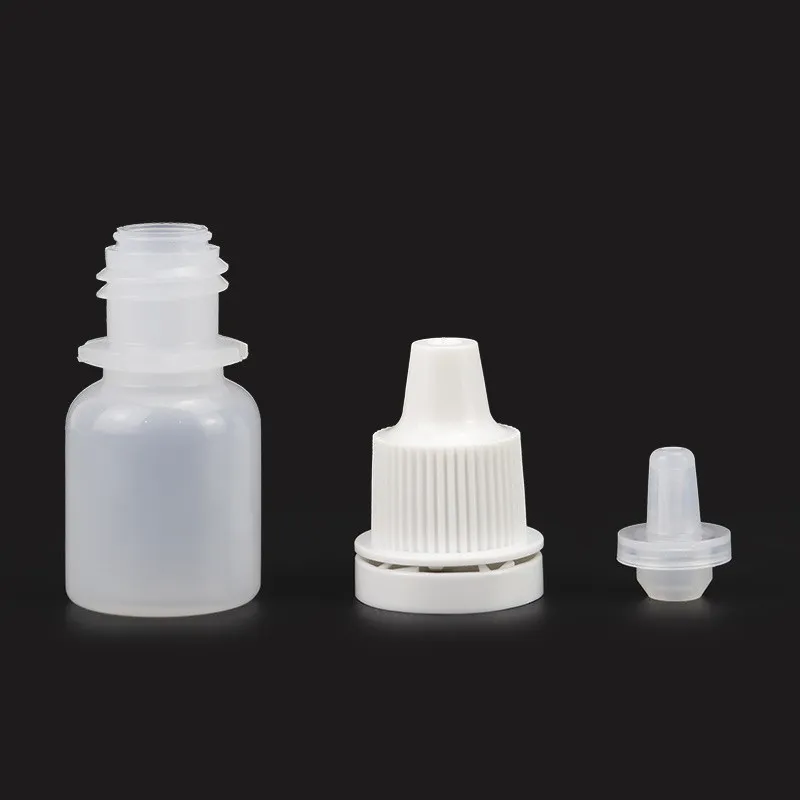
The choice of material for an eye drop bottle plays a significant role in preventing contamination. Low - Density Polyethylene (LDPE) is a popular choice for eye drop bottles due to its excellent chemical resistance and flexibility. LDPE Dropper Bottles, such as those available at LDPE Dropper Bottles, are designed to be lightweight and easy to squeeze, which allows for controlled dispensing of eye drops. The smooth inner surface of LDPE bottles reduces the chances of bacteria or other contaminants adhering to the bottle walls.
In addition to the material, the design of the bottle also matters. An ideal eye drop bottle should have a narrow dropper tip that minimizes the amount of air entering the bottle during use. This helps to prevent the introduction of airborne contaminants. Some advanced designs feature a one - way valve in the dropper tip. This valve allows the eye drops to flow out when the bottle is squeezed but prevents air and contaminants from flowing back into the bottle when the pressure is released.
Manufacturing and Sterilization Processes
The manufacturing process of eye drop bottles must adhere to strict quality control standards. At our facility, we use state - of - the - art manufacturing techniques to ensure that each bottle is free from defects. The bottles are formed in a cleanroom environment to minimize the risk of dust and other particulate matter contamination.

Sterilization is a critical step in the production of eye drop bottles. We use methods such as gamma irradiation or ethylene oxide sterilization to eliminate any microorganisms present on the bottles. Gamma irradiation is a popular choice as it can penetrate the entire bottle, ensuring thorough sterilization without leaving any chemical residues. After sterilization, the bottles are immediately sealed in sterile packaging to maintain their sterility until they reach the end - user.
Packaging and Storage
Proper packaging is essential for protecting eye drop bottles from contamination during transportation and storage. Our eye drop bottles are typically packaged in sealed plastic bags or boxes. These packages are designed to be airtight, preventing the entry of dust, moisture, and other contaminants.
When it comes to storage, it is important to keep the eye drop bottles in a cool, dry place. High temperatures and humidity can promote the growth of microorganisms. We recommend storing the bottles at room temperature, away from direct sunlight. If the eye drops are refrigerated, it is important to allow them to reach room temperature before use to prevent discomfort to the eyes.
User Practices
Even with high - quality bottles and proper packaging, user practices can significantly impact the risk of contamination. Here are some tips for users to prevent eye drop bottle contamination:
- Wash Hands Thoroughly: Before using the eye drops, users should wash their hands with soap and water for at least 20 seconds. This helps to remove any dirt, bacteria, or viruses from the hands that could be transferred to the bottle or the eye.
- Avoid Touching the Dropper Tip: The dropper tip should never come into contact with the eye, fingers, or any other surface. Touching the dropper tip can introduce contaminants into the bottle. If the dropper tip does come into contact with something, it is best to discard the eye drops to avoid the risk of infection.
- Do Not Share Eye Drops: Eye drops are for individual use only. Sharing eye drops can spread infections from one person to another. Each person should have their own bottle of eye drops.
- Check the Expiry Date: Expired eye drops may not be as effective and can also be a breeding ground for bacteria. Users should always check the expiry date on the bottle and discard any expired eye drops.
Quality Control and Testing
As an eye drop bottle supplier, we conduct rigorous quality control and testing to ensure the safety and reliability of our products. We test the bottles for various parameters, including leak - proofness, dropper functionality, and chemical compatibility with the eye drops.
We also perform microbiological testing on a regular basis. This involves taking samples from the bottles and culturing them to check for the presence of microorganisms. If any contamination is detected, the entire batch of bottles is rejected, and the manufacturing process is reviewed to identify and correct the source of the problem.
Customer Support and Education
We believe that customer support and education are essential in preventing eye drop bottle contamination. Our team of experts is always available to answer any questions that customers may have about our products. We also provide educational materials, such as brochures and online resources, to help users understand the importance of preventing contamination and how to use the eye drop bottles correctly.
Conclusion
Preventing the contamination of eye drop bottles is a multi - faceted process that involves bottle design, manufacturing, packaging, user practices, and quality control. As an eye drop bottle supplier, we are committed to providing our customers with high - quality, contamination - resistant bottles. By following the strategies outlined in this blog, we can ensure that the eye drops remain safe and effective for the end - user.
If you are interested in purchasing high - quality eye drop bottles, we invite you to contact us for a detailed discussion. Our team is ready to assist you in finding the right products for your needs. Whether you are a pharmaceutical company, a hospital, or a distributor, we can provide you with customized solutions that meet your specific requirements.
References
- "Handbook of Pharmaceutical Packaging Technology" by Gordon L. Roberts
- "Microbiology of Pharmaceutical Products" by A. D. Russell and W. B. Hugo


