


Can reagent bottles be used for storing protein reagents? This is a question that often arises in the fields of biochemistry, molecular biology, and related scientific disciplines. As a supplier of reagent bottles, I am frequently asked about the suitability of our products for storing various types of reagents, including proteins. In this blog post, I will explore the factors to consider when using reagent bottles for protein reagent storage and provide some guidance on making the right choice.

Understanding Protein Reagents
Proteins are complex biomolecules that play essential roles in various biological processes. They are highly sensitive to their environment, including factors such as temperature, pH, and the presence of contaminants. When storing protein reagents, it is crucial to maintain their stability and integrity to ensure accurate experimental results.
Protein reagents can be in various forms, including purified proteins, protein extracts, and protein solutions. Each form may have different storage requirements depending on its composition, concentration, and intended use. For example, some proteins may require storage at low temperatures to prevent degradation, while others may be more stable at room temperature.
Factors to Consider When Storing Protein Reagents
When using reagent bottles for protein reagent storage, several factors need to be considered to ensure the stability and integrity of the proteins. These factors include:
Material Compatibility
The material of the reagent bottle can have a significant impact on the stability of protein reagents. Some materials may interact with proteins, causing denaturation or degradation. Therefore, it is essential to choose a reagent bottle made of a material that is compatible with proteins.
Glass is a commonly used material for reagent bottles due to its inertness and chemical resistance. It is generally considered safe for storing protein reagents, especially when the glass is borosilicate glass, which has excellent thermal and chemical stability. However, some proteins may adsorb to the glass surface, leading to a loss of protein concentration. To minimize this effect, it is recommended to use siliconized glass bottles or add a small amount of a non-ionic detergent to the protein solution.
Plastic reagent bottles are also available and offer several advantages, such as lightweight, shatter resistance, and lower cost. However, not all plastics are suitable for storing protein reagents. Some plastics may leach chemicals into the protein solution, which can affect the protein's stability. Polypropylene (PP) and polyethylene (PE) are two plastics that are commonly used for protein reagent storage due to their relatively low protein adsorption and chemical inertness.
Bottle Design
The design of the reagent bottle can also affect the storage of protein reagents. For example, a bottle with a wide mouth may allow for easier access to the protein solution but may also increase the risk of contamination. On the other hand, a bottle with a narrow mouth may reduce the risk of contamination but may make it more difficult to pipette the protein solution.
In addition, the bottle should have a tight-fitting cap to prevent evaporation and contamination. Some reagent bottles come with a screw cap, while others have a snap cap or a flip-top cap. It is important to choose a cap that provides a secure seal to maintain the integrity of the protein reagent.
Storage Conditions
The storage conditions of the protein reagent are crucial for its stability. Proteins are generally stored at low temperatures, such as -20°C or -80°C, to prevent degradation. However, some proteins may be more stable at room temperature or in the refrigerator. It is important to follow the storage instructions provided by the manufacturer of the protein reagent.
When storing protein reagents in reagent bottles, it is also important to protect them from light. Some proteins are sensitive to light and may undergo photodegradation. Therefore, it is recommended to store the reagent bottles in a dark place or use amber-colored reagent bottles to block out light.
Our Reagent Bottles for Protein Reagent Storage
As a supplier of reagent bottles, we offer a wide range of products that are suitable for storing protein reagents. Our reagent bottles are made of high-quality materials, including borosilicate glass and polypropylene, to ensure the stability and integrity of the proteins.
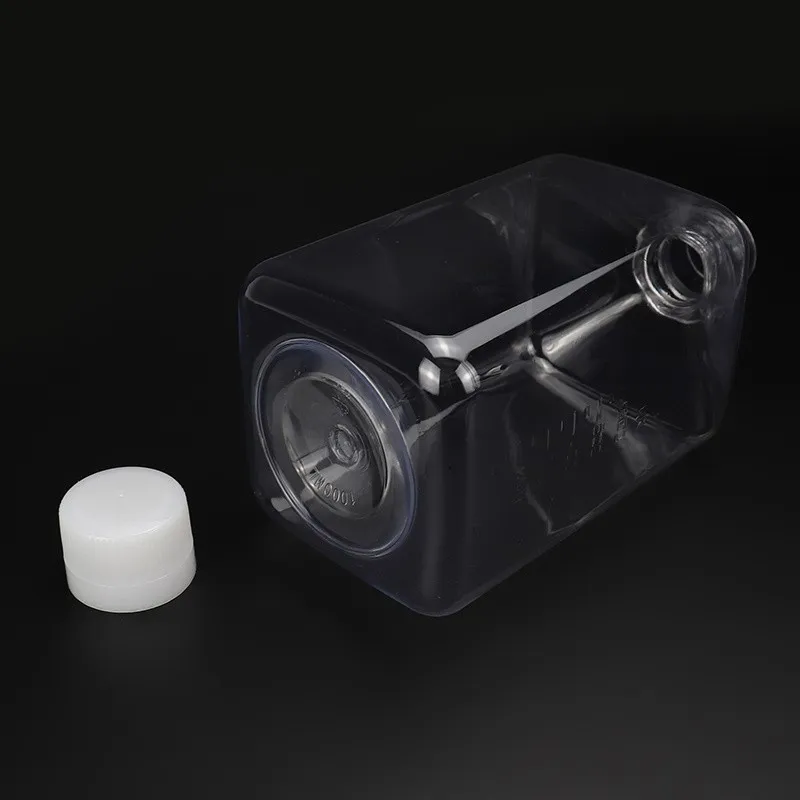
We offer 125ml 250ml 500ml 1000ml Reagent Bottle in various sizes to meet the different needs of our customers. Our glass reagent bottles are siliconized to minimize protein adsorption, and our plastic reagent bottles are made of polypropylene, which has low protein adsorption and chemical inertness.
In addition, our reagent bottles are designed with a tight-fitting cap to prevent evaporation and contamination. We also offer amber-colored reagent bottles for storing light-sensitive protein reagents.
Conclusion
In conclusion, reagent bottles can be used for storing protein reagents, but it is important to choose the right bottle based on the specific requirements of the protein reagent. Factors such as material compatibility, bottle design, and storage conditions should be considered to ensure the stability and integrity of the proteins.
As a supplier of reagent bottles, we are committed to providing high-quality products that meet the needs of our customers. If you have any questions about our reagent bottles or need help choosing the right bottle for your protein reagent storage, please do not hesitate to contact us. We will be happy to assist you in making the right choice.
References
- Sambrook, J., & Russell, D. W. (2001). Molecular cloning: A laboratory manual. Cold Spring Harbor Laboratory Press.
- Ausubel, F. M., Brent, R., Kingston, R. E., Moore, D. D., Seidman, J. G., Smith, J. A., & Struhl, K. (Eds.). (2002). Current protocols in molecular biology. John Wiley & Sons.
- Deutscher, M. P. (Ed.). (1990). Guide to protein purification. Academic Press.


