


Are there eye drop bottles for specific eye conditions?
As a supplier of eye drop bottles, I've encountered numerous inquiries about whether there are specialized eye drop bottles tailored to specific eye conditions. In this blog, I'll delve into this topic, exploring the relationship between eye conditions and the design of eye drop bottles, and highlighting the products we offer that can meet various needs.

Understanding the Diversity of Eye Conditions
The human eye is a delicate and complex organ, susceptible to a wide range of conditions. Some of the common eye conditions include dry eyes, glaucoma, conjunctivitis (pink eye), and allergic reactions. Each of these conditions requires specific treatment approaches, and the delivery of eye drops plays a crucial role in ensuring effective treatment.
Dry eyes, for instance, are a prevalent condition characterized by insufficient lubrication of the eyes. People with dry eyes often need to use artificial tears frequently throughout the day. Glaucoma, on the other hand, is a serious eye disease that can lead to vision loss if left untreated. Eye drops for glaucoma are typically used to reduce intraocular pressure, and precise dosing is essential. Conjunctivitis can be caused by bacteria, viruses, or allergies, and the type of eye drops used depends on the underlying cause.
How Eye Drop Bottles Can Be Adapted to Specific Eye Conditions
- Dosing Accuracy
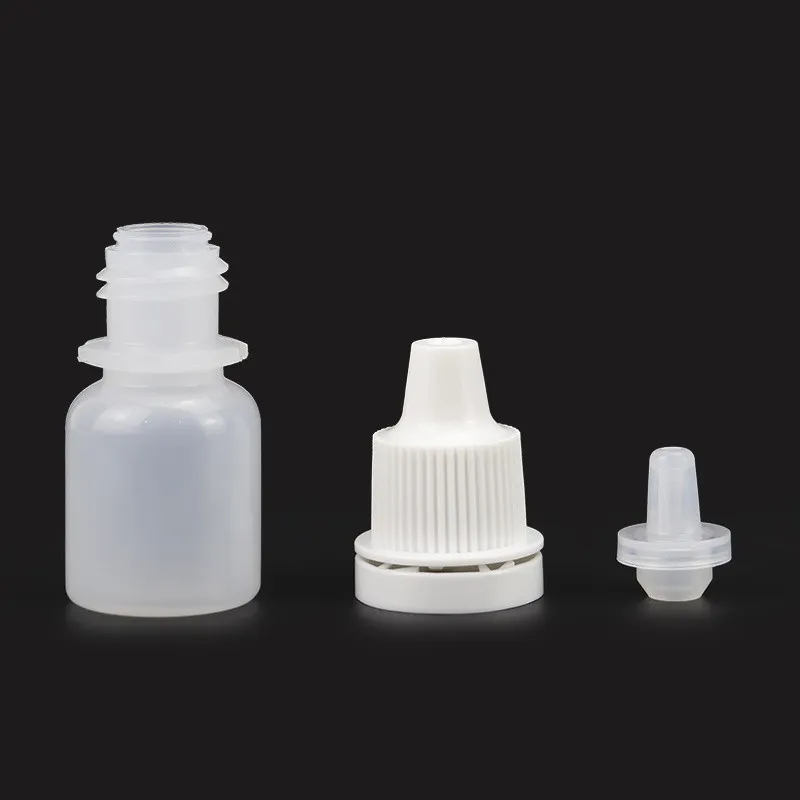
For conditions like glaucoma, where precise dosing is critical, eye drop bottles need to be designed to deliver a consistent and accurate amount of medication. Our Empty Eye Dropper Bottle is engineered with a calibrated dropper tip that allows for precise measurement of each drop. This ensures that patients receive the correct dosage of their glaucoma medication, which is vital for managing the condition effectively. - Preservation and Contamination Prevention
Some eye conditions require long - term use of eye drops, and preventing contamination is of utmost importance. Our LDPE Dropper Bottles are made from high - quality Low - Density Polyethylene (LDPE), which provides excellent barrier properties against oxygen, moisture, and other contaminants. The airtight design of these bottles helps to preserve the integrity of the eye drops, especially those containing sensitive medications. This is particularly beneficial for patients with chronic eye conditions who rely on the effectiveness of their eye drops over an extended period. - Ease of Use
Patients with certain eye conditions may have limited dexterity or vision problems, making it difficult to use traditional eye drop bottles. We understand this challenge and have designed our eye drop bottles with user - friendly features. For example, some of our bottles have a wider grip area, making them easier to hold. Others have a soft squeeze design, allowing patients to dispense the eye drops with minimal effort. This is especially helpful for elderly patients or those with conditions that affect their hand strength.
The Role of Material in Eye Drop Bottles for Specific Conditions
The choice of material for eye drop bottles is not arbitrary. Different materials have different properties that can impact the stability and effectiveness of the eye drops.
- LDPE for General Use
LDPE is a popular choice for eye drop bottles due to its flexibility, transparency, and chemical resistance. It is non - toxic and can be easily sterilized, making it suitable for a wide range of eye conditions. Our LDPE Dropper Bottles are widely used for storing artificial tears, anti - inflammatory eye drops, and other common medications. - Other Materials for Specialized Needs
In some cases, other materials may be more appropriate. For example, glass bottles may be used for storing certain high - potency medications that require a high - level of chemical stability. However, glass bottles are heavier and more fragile compared to plastic bottles. Our company offers a variety of materials to meet the diverse needs of different eye conditions.
Customization Options for Eye Drop Bottles
We understand that different eye conditions may require unique bottle designs. That's why we offer customization services for our eye drop bottles. We can customize the size, shape, color, and labeling of the bottles according to the specific requirements of our clients. For example, if a pharmaceutical company is developing a new eye drop for a rare eye condition, we can work with them to create a bottle that meets their exact specifications. This includes designing a bottle that is easy to identify and use, with clear labeling that provides important information about the medication.
Conclusion
In conclusion, there are indeed eye drop bottles designed for specific eye conditions. From ensuring accurate dosing to preventing contamination and providing ease of use, the design of eye drop bottles plays a crucial role in the effective treatment of various eye diseases. As a leading supplier of eye drop bottles, we are committed to providing high - quality products that meet the diverse needs of the pharmaceutical industry and patients.
If you are a pharmaceutical company, a distributor, or anyone involved in the eye care industry, we invite you to contact us for more information about our eye drop bottles. We are eager to discuss your specific requirements and explore how our products can meet your needs. Whether you need standard bottles or customized solutions, we have the expertise and resources to provide you with the best eye drop bottles for your specific applications.
References
- American Academy of Ophthalmology. (2023). Eye Health and Diseases. Retrieved from [AAO official website].
- International Glaucoma Association. (2023). Glaucoma Management. Retrieved from [IGA official website].
- World Health Organization. (2023). Global Action Plan for the Prevention of Blindness and Visual Impairment. Retrieved from [WHO official website].


